The Complete Guide to Coliving in Rome
Everything you need to know about living and coliving in Rome, Italy.
Last updated September 2026
Why Move to Rome?
Rome is the Eternal City and an inspiring coliving destination where ancient history meets modern Italian life. Coliving in Rome offers the unique experience of living among millennia of art and architecture while being part of a growing international community. Rome continues to attract remote workers, digital nomads, and young professionals who are drawn to its unique blend of culture, community, and convenience. Whether you are looking for your first coliving experience or a seasoned nomad seeking a new base, Rome has something special to offer.
Ideal for: Rome is ideal for digital nomads, remote workers, students, young professionals, and expats seeking a vibrant coliving experience in Italy. Whether you are looking for a short-term stay or a long-term base, Rome caters to those who value community, flexibility, and quality of life.
Pros
- Growing coliving community with diverse options for every budget in Rome
- Rich cultural scene with local events, dining, and entertainment
- Well-connected neighborhoods including Popular coliving areas include Trastevere, Monti, Testaccio, San Lorenzo, Pigneto, and Ostiense. Trastevere's cobblestone streets and vibrant nightlife make it a favorite among young residents.
- Welcoming atmosphere for international residents and remote workers
- Proximity to attractions such as Explore the Colosseum and Roman Forum, tour the Vatican Museums and Sistine Chapel, toss a coin in the Trevi Fountain, and wander through Trastevere. Enjoy authentic Roman cuisine: carbonara, cacio e pepe, and supplì.
Considerations
- Adapting to local customs and language may take some time for newcomers
- Moderate cost of living that requires some planning for long-term stays
- Finding the right neighborhood and coliving space takes research
- Visa and residency regulations may require attention depending on your nationality
Rome at a Glance
Population
Data varies, check local sourcesLanguages
ItalianCurrency
EUR (€)Timezone
CET (UTC+1)Cost Level
Mid-RangeInternet Speed
55 MbpsSafety Rating
HighWhy Rome is Great for Coliving
Remote Work
Rome has developed a strong remote work infrastructure with coworking spaces, fast internet connections averaging 55 Mbps, and an increasing number of cafés and libraries designed for laptop workers. Coliving in Rome makes living in one of the world's most desirable cities practical and affordable. Italy's digital nomad visa and Rome's excellent connectivity to the rest of Europe add to its appeal for remote professionals.. The city's coliving spaces typically include high-speed WiFi, dedicated work areas, and ergonomic setups that make working from home productive and comfortable. Many spaces also organize professional networking events, skill-sharing workshops, and accountability groups that help remote workers stay motivated and connected to a broader professional community.
Startup Scene
The startup and entrepreneurial scene in Rome is growing steadily, with an increasing number of founders, freelancers, and small business owners choosing the city as their base. Local incubators, meetup groups, and coworking hubs provide opportunities to network, find collaborators, and pitch ideas. Rome's coliving spaces often serve as informal incubators where residents share expertise, test ideas, and form partnerships. The lower barrier to entry compared to traditional offices makes Rome particularly attractive for bootstrapped startups and solo entrepreneurs looking to keep overhead costs low while maintaining a professional environment.
Universities
Rome is home to notable educational institutions including Major universities include Sapienza University of Rome (one of the world's oldest), LUISS, Roma Tre, and the Pontifical Universities of the Vatican.. These universities bring a constant flow of students, researchers, and academics to the city, creating demand for flexible, community-oriented housing. Coliving spaces near these institutions benefit from a youthful, intellectually curious demographic. The academic ecosystem also contributes to local meetups, lectures, and innovation events that coliving residents can participate in, enriching their professional and social lives.
Expat Community
Rome has a welcoming and expanding expat community, with international residents drawn by the city's quality of life, professional opportunities, and cultural richness. Online forums, social media groups, and in-person meetups make it easy for newcomers to find their footing. Coliving spaces serve as natural entry points for expats, offering built-in community, local orientation support, and connections to others who have navigated the same transition. Many coliving operators in Rome specifically cater to international residents, providing bilingual support, visa guidance, and cultural integration events.
Lifestyle Perks
Life in Rome offers a compelling mix of urban convenience and cultural depth. Residents can explore attractions such as Explore the Colosseum and Roman Forum, tour the Vatican Museums and Sistine Chapel, toss a coin in the Trevi Fountain, and wander through Trastevere. Enjoy authentic Roman cuisine: carbonara, cacio e pepe, and supplì.. Notable landmarks include Landmarks include the Colosseum, Vatican City, the Pantheon, Trevi Fountain, Spanish Steps, and the Roman Forum. The city is essentially an open-air museum of Western civilization., adding character and inspiration to daily life. The city's dining scene ranges from affordable local eateries to upscale restaurants, and there is no shortage of parks, markets, and entertainment venues. Coliving in Rome means you get to enjoy all of these lifestyle perks while splitting costs and sharing experiences with like-minded individuals. The social calendar at most coliving spaces includes group dinners, cultural outings, and weekend adventures that help residents make the most of everything Rome has to offer.
Best Areas & Neighborhoods in Rome
Rome offers a diverse range of neighborhoods, each with its own character and appeal. Popular areas include Esquilino, Flaminio, Monteverde, Monti and more. When choosing where to live, consider your priorities, proximity to coworking spaces, nightlife, green areas, or public transport, and match them with the neighborhood that fits your lifestyle best.
Esquilino
- Suited for:
- Remote workers and freelancers who enjoy walkable neighborhoods
- Price range:
- $500–$900/mo
- Vibe:
- Esquilino is known for its creative and lively atmosphere. This neighborhood offers a strong sense of community, convenient amenities, and easy access to the rest of Rome. Coliving residents in Esquilino enjoy a blend of local authenticity and modern convenience.
Flaminio
- Suited for:
- Students and young professionals looking for affordable options
- Price range:
- $600–$1,000/mo
- Vibe:
- Flaminio is known for its quiet and residential atmosphere. This neighborhood offers a strong sense of community, convenient amenities, and easy access to the rest of Rome. Coliving residents in Flaminio enjoy a blend of local authenticity and modern convenience.
Monteverde
- Suited for:
- Families and long-term residents who prefer quieter surroundings
- Price range:
- $700–$1,100/mo
- Vibe:
- Monteverde is known for its central and well-connected atmosphere. This neighborhood offers a strong sense of community, convenient amenities, and easy access to the rest of Rome. Coliving residents in Monteverde enjoy a blend of local authenticity and modern convenience.
Monti
- Suited for:
- Digital nomads seeking vibrant nightlife and social scenes
- Price range:
- $550–$950/mo
- Vibe:
- Monti is known for its trendy with great cafés atmosphere. This neighborhood offers a strong sense of community, convenient amenities, and easy access to the rest of Rome. Coliving residents in Monti enjoy a blend of local authenticity and modern convenience.
Ostiense
- Suited for:
- Entrepreneurs and startup founders near business hubs
- Price range:
- $450–$850/mo
- Vibe:
- Ostiense is known for its up-and-coming with affordable options atmosphere. This neighborhood offers a strong sense of community, convenient amenities, and easy access to the rest of Rome. Coliving residents in Ostiense enjoy a blend of local authenticity and modern convenience.
Pigneto
- Suited for:
- Creatives and artists attracted to cultural venues and galleries
- Price range:
- $500–$900/mo
- Vibe:
- Pigneto is known for its cosmopolitan and diverse atmosphere. This neighborhood offers a strong sense of community, convenient amenities, and easy access to the rest of Rome. Coliving residents in Pigneto enjoy a blend of local authenticity and modern convenience.
Cost of Living in Rome
| Category | Monthly Cost |
|---|---|
| Coliving Rent | Coliving in Rome typically ranges from $500–$1,200/month, depending on the neighborhood, room type, and included amenities. Most coliving spaces include utilities, WiFi, cleaning, and access to shared spaces in their monthly rate, which often makes them more cost-effective than renting a traditional apartment when you factor in all expenses. Private rooms with ensuite bathrooms command higher prices, while shared rooms offer the most budget-friendly option. |
| Utilities | If renting independently, expect to pay $60–$150/month for electricity, water, gas, and internet. Most coliving spaces include utilities in the monthly rate, so this is typically not an additional cost for coliving residents. Internet packages offering speeds suitable for remote work are widely available throughout Rome. |
| Coworking | Dedicated desk or hot desk memberships at coworking spaces in Rome range from $100–$250/month. Many coliving spaces include coworking areas or offer partnerships with nearby coworking facilities. For occasional use, day passes are available at most locations, and many cafés offer free WiFi suitable for lighter work sessions. |
| Groceries | Monthly grocery expenses in Rome average $200–$400/month, depending on your dietary preferences and shopping habits. Local markets and supermarkets offer fresh produce at competitive prices, and many coliving spaces have well-equipped shared kitchens. Eating out at local restaurants can be a cost-effective alternative, especially when taking advantage of lunch specials and neighborhood restaurants. |
| Transport | Public transportation costs in Rome average $40–$100/month. Available transit options include Rome has a Metro (Lines A, B, C), extensive bus and tram network, and regional trains. Leonardo da Vinci-Fiumicino Airport is the main international gateway, with Ciampino serving budget airlines.. Many coliving spaces are strategically located near major transit routes, and cycling is an increasingly popular option. Ride-sharing services are also available for convenient point-to-point travel. |
| Entertainment | Budget $100–$300/month for entertainment, socializing, dining out, and cultural activities. Rome offers a range of free and low-cost activities including parks, museums with free admission days, street markets, and community events. Coliving spaces often organize social activities and group outings that provide entertainment at little or no additional cost. |
BudgetA budget-conscious digital nomad or student can live comfortably in Rome for approximately $1,200–$2,000/month total, including coliving rent, food, transport, and basic entertainment. This assumes shared accommodation, cooking at home frequently, and using public transport./month estimate
Shared room, cook at home, public transport
Mid-RangeA mid-range lifestyle in Rome, private room in a coliving, regular dining out, coworking membership, and active social life, typically costs $2,000–$3,200/month per month. This provides a comfortable balance of quality and value./month estimate
Private room, eat out sometimes, mixed transport
PremiumFor those seeking premium coliving with a private ensuite, frequent dining out, gym membership, and an active lifestyle, expect to spend $3,200–$5,000/month per month in Rome. This includes top-tier coliving spaces, premium coworking access, and a full social calendar./month estimate
Private studio, eat out often, ride-hailing
Coliving in Rome
Why Coliving Over Renting?
Coliving in Rome offers significant advantages over traditional renting. All-inclusive pricing eliminates the hassle of setting up utilities, internet, and furnishing an apartment. Move-in is typically immediate with flexible lease terms ranging from one month to a year. Beyond the practical benefits, coliving provides instant community, you arrive to a home with housemates, social events, and a support network already in place. For newcomers to Rome, this is invaluable as it dramatically reduces the loneliness and logistical challenges of relocating to a new city. Coliving operators also handle maintenance, cleaning, and administrative tasks, freeing you to focus on work and life.
Average Price
Average coliving prices in Rome range from $600–$1,000/month. This typically includes a furnished private or shared room, high-speed WiFi, utilities, regular cleaning, and access to shared living spaces such as kitchens, lounges, and sometimes coworking areas. Some premium spaces also include gym access, laundry service, and organized community events in their pricing.
What's Included
Most coliving spaces in Rome include furnished rooms, high-speed WiFi, all utilities (electricity, water, heating/cooling), regular cleaning of shared areas, fully equipped shared kitchens, and access to communal lounges and workspaces. Many operators also provide weekly or bi-weekly room cleaning, laundry facilities, community events, and local orientation support. Higher-end spaces may add gym access, rooftop terraces, swimming pools, bicycle rentals, and dedicated coworking desks to their offering.
Who It's For
Coliving in Rome attracts a diverse range of residents including digital nomads and remote workers seeking community and convenience, students who want affordable furnished housing near their campus, young professionals relocating for work who need a hassle-free living arrangement, entrepreneurs and startup founders looking to reduce overhead while networking, and expats who want to integrate into the city with built-in social support. The common thread is a desire for flexibility, community, and a higher quality of life than traditional rentals typically offer at the same price point.
Coliving Spaces in Rome
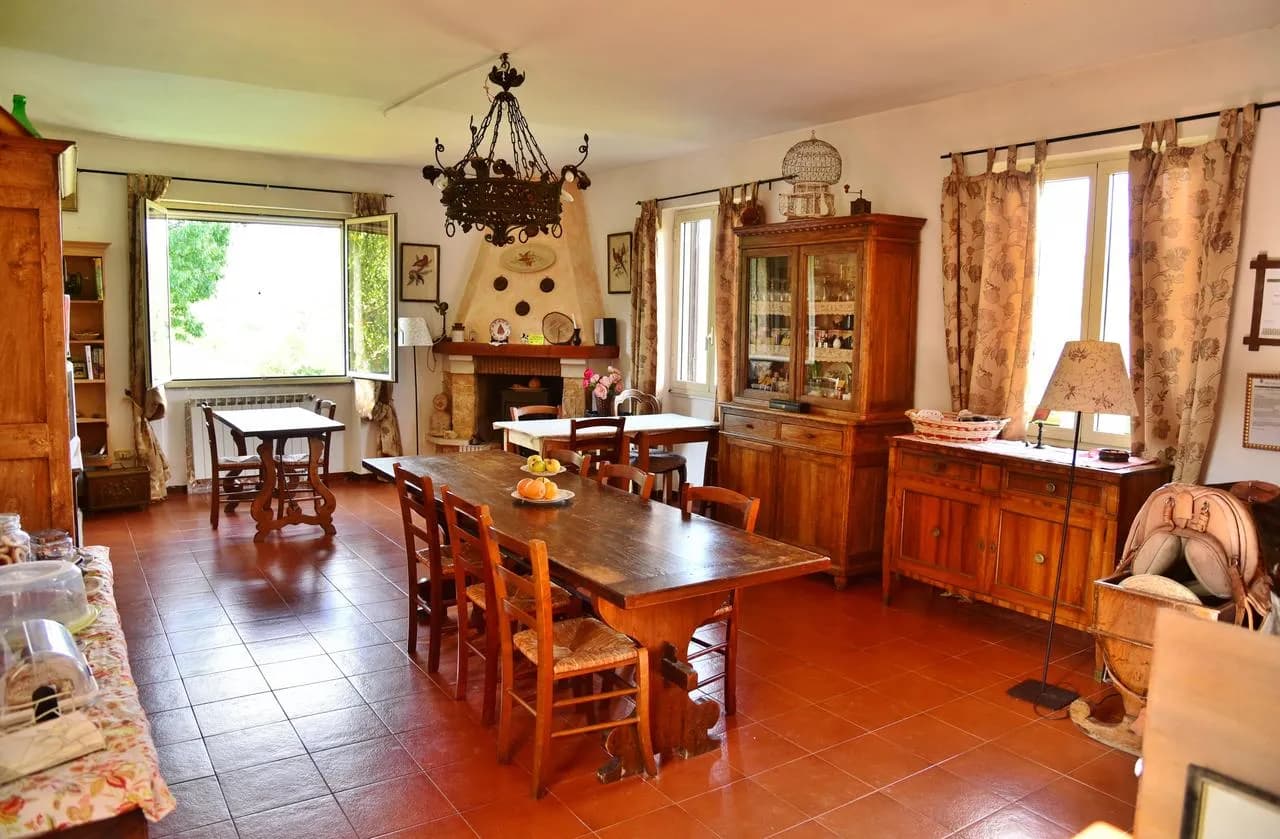
Browse verified coliving listings in Rome with photos, pricing, and amenities.
Coworking Spaces in Rome
Popular Areas
Coworking spaces in Rome are concentrated in the most popular neighborhoods including Popular coliving areas include Trastevere, Monti, Testaccio, San Lorenzo, Pigneto, and Ostiense. Trastevere's cobblestone streets and vibrant nightlife make it a favorite among young residents.. These areas offer a high density of cafés, restaurants, and amenities that complement the coworking experience. Many coliving spaces in Rome either include on-site coworking facilities or have partnerships with nearby coworking providers, giving residents discounted or included access.
Average Price
Coworking memberships in Rome range from $120–$200/month. Hot desk plans offer the most flexibility, while dedicated desks and private offices come at a premium. Day passes are available at most spaces for occasional use. Many coworking spaces offer community events, workshops, and networking sessions as part of the membership.
Remote Work Infrastructure
Rome has invested significantly in its remote work infrastructure. Most coworking spaces offer high-speed fiber internet, ergonomic furniture, meeting rooms, phone booths, printing facilities, and complimentary coffee and tea. The growing demand from remote workers has pushed quality standards higher, with many spaces now offering 24/7 access, shower facilities, and even nap pods. Public spaces such as libraries and certain cafés also provide free WiFi and power outlets for remote workers.
WiFi Quality
Internet speeds in Rome average 55 Mbps. Coworking spaces and coliving facilities typically offer higher speeds through dedicated fiber connections, often providing 100+ Mbps symmetric connections suitable for video conferencing, large file transfers, and bandwidth-intensive work. Cafés and public WiFi networks are widely available as backup options, though speeds and reliability vary.
Jobs & Work Opportunities in Rome
Top Industries
Rome's economy features a diverse range of industries providing opportunities for remote workers and job seekers. Technology, creative industries, education, and services form the backbone of the local job market. The growing presence of international companies and startups has created demand for skills in software development, digital marketing, design, content creation, and project management. Rome's coliving community often includes professionals working across these sectors, creating natural networking and collaboration opportunities.
Startup Scene
The startup ecosystem in Rome is developing rapidly, with an increasing number of incubators, accelerators, and venture funding opportunities available to founders. Local meetups, pitch events, and hackathons provide regular opportunities to connect with other entrepreneurs and investors. Coliving spaces often serve as informal co-founders' hubs where residents share expertise, provide feedback on ideas, and form partnerships. The relatively lower cost of living in Rome compared to major tech hubs makes it attractive for bootstrapped startups looking to extend their runway.
Visa Options
Visa options for Rome vary by nationality and intended length of stay. Many remote workers initially enter on tourist visas, while longer-term options may include freelancer visas, digital nomad visas (where available), work permits, or student visas. It is essential to research the specific visa requirements for Italy based on your citizenship and intended activities. Some coliving operators in Rome offer visa guidance or can connect residents with immigration consultants who specialize in helping remote workers establish legal residency.
Freelance Scene
Freelancing in Rome is increasingly viable, with a growing community of independent professionals working in writing, design, development, marketing, consulting, and other fields. Local networking events, online communities, and coworking spaces provide channels for finding clients and collaborators. The time zone of Rome (CET (UTC+1)) can be advantageous for serving clients in certain markets. Coliving residents often share freelance opportunities, refer each other for projects, and collaborate on larger contracts that no single freelancer could handle alone.
Lifestyle & Community in Rome
Things to Do
Rome offers an abundance of activities for every interest. Must-visit spots include Explore the Colosseum and Roman Forum, tour the Vatican Museums and Sistine Chapel, toss a coin in the Trevi Fountain, and wander through Trastevere. Enjoy authentic Roman cuisine: carbonara, cacio e pepe, and supplì.. Notable landmarks such as Landmarks include the Colosseum, Vatican City, the Pantheon, Trevi Fountain, Spanish Steps, and the Roman Forum. The city is essentially an open-air museum of Western civilization. provide cultural enrichment and weekend exploration opportunities. Beyond the tourist highlights, Rome has a vibrant local scene with markets, festivals, live music, theater, art galleries, and culinary experiences that make everyday life interesting and fulfilling. Coliving spaces frequently organize group outings, cultural tours, and social events that help residents discover the best of Rome together.
Nightlife
The nightlife in Rome caters to a range of tastes, from relaxed wine bars and craft cocktail lounges to energetic clubs and live music venues. Popular nightlife areas are typically well-connected by public transport, making it easy to enjoy an evening out and get home safely. Coliving spaces often organize group outings and social evenings, providing a built-in crew for exploring Rome's after-dark offerings. Whether you prefer a quiet pub quiz or dancing until dawn, you will find your scene in Rome.
Outdoor Activities
Outdoor enthusiasts will find plenty to enjoy in and around Rome. Parks, riverside walks, hiking trails, and cycling paths provide accessible options for daily exercise and weekend adventures. Nearby natural attractions and landmarks including Landmarks include the Colosseum, Vatican City, the Pantheon, Trevi Fountain, Spanish Steps, and the Roman Forum. The city is essentially an open-air museum of Western civilization. offer scenic escapes from urban life. Many coliving communities organize group hikes, runs, cycling trips, and outdoor fitness sessions, making it easy to stay active while building friendships. The surrounding region of Rome also offers opportunities for day trips and weekend getaways.
Cultural Highlights
Rome boasts a rich cultural tapestry that reflects the history and character of Italy. Museums, galleries, historic districts, and cultural festivals provide endless opportunities for exploration and learning. Key cultural landmarks include Landmarks include the Colosseum, Vatican City, the Pantheon, Trevi Fountain, Spanish Steps, and the Roman Forum. The city is essentially an open-air museum of Western civilization.. The city's dining scene ranges from traditional local cuisine to international options, and regular cultural events keep the calendar full year-round. Coliving residents often find that shared cultural experiences, group museum visits, cooking classes, language exchanges, become some of their most memorable moments in Rome.
Community Events
The community in Rome is active and welcoming, with regular events catering to remote workers, expats, and locals alike. Meetup groups, professional networking events, language exchanges, sports leagues, and social gatherings provide abundant opportunities to connect. Coliving spaces typically run their own event calendars featuring dinners, game nights, workshops, and weekend activities. These community touchpoints are often what transform a stay in Rome from a temporary arrangement into a genuinely enriching chapter of life.
Health, Safety & Infrastructure
Safety Overview
Rome has a high safety rating overall. The city is considered very safe for residents and visitors, with low crime rates and a strong sense of community security. Standard precautions, keeping valuables secure, being aware of your surroundings in crowded areas, and avoiding poorly lit streets at night, are sufficient for a safe experience.
Healthcare
Healthcare in Rome includes both public and private options. The healthcare system offers good quality care, with private clinics providing shorter wait times and often English-speaking staff. International health insurance is recommended for comprehensive coverage, and many coliving residents opt for global health insurance plans that cover them across multiple countries.
Hospitals
Rome has hospitals and medical facilities accessible from most neighborhoods. Major hospitals offer emergency services, specialist care, and modern diagnostic equipment. Private hospitals and international clinics are available for those with health insurance or who prefer premium care. Coliving operators can typically recommend nearby medical facilities, pharmacies, and English-speaking doctors to their residents.
Emergency Numbers
Emergency services in Italy: 112 / 113 (police) / 118 (ambulance). Save these numbers in your phone upon arrival in Rome. Coliving spaces typically display emergency contact information in common areas and provide orientation information about local emergency services, nearest hospitals, and pharmacy locations.
Transportation in Rome
Public Transit
Rome offers public transportation options including Rome has a Metro (Lines A, B, C), extensive bus and tram network, and regional trains. Leonardo da Vinci-Fiumicino Airport is the main international gateway, with Ciampino serving budget airlines.. The public transit system connects major neighborhoods and coliving areas with commercial centers, coworking spaces, and entertainment districts. Monthly transit passes offer the best value for regular commuters, and many coliving spaces are strategically located near major transit hubs to maximize convenience for residents.
Ride Sharing
Ride-sharing services are available in Rome, providing a convenient alternative to public transit for point-to-point travel. Local and international ride-hailing apps operate in the city, with fares that are reasonably priced for occasional use. Taxis are also available, though ride-hailing apps typically offer more transparent pricing and cashless payment. For late-night travel or trips to areas not well-served by public transit, ride-sharing is the practical choice.
Monthly Cost
Monthly transportation costs in Rome average $40–$100/month, depending on your commuting habits and chosen modes of transport. A public transit pass provides the most economical option for daily commuting, while occasional ride-sharing adds flexibility. Many coliving residents find that living in a well-connected neighborhood reduces transport costs significantly, as walking and cycling become viable for daily errands and short trips.
Airport
Rome is served by an airport with connections to domestic and international destinations. Airport transfers from coliving spaces can be arranged through ride-sharing apps or shuttle services. Many coliving operators can arrange airport pickup for new residents, making arrival in Rome as smooth as possible.
Walkability
Walkability in Rome varies by neighborhood. Central areas like Popular coliving areas include Trastevere, Monti, Testaccio, San Lorenzo, Pigneto, and Ostiense. Trastevere's cobblestone streets and vibrant nightlife make it a favorite among young residents. are generally walkable with shops, restaurants, and amenities within easy reach. Coliving spaces are typically situated in neighborhoods with good walkability scores, allowing residents to handle most daily needs on foot. Cycling infrastructure is developing, with some bike-sharing options and designated paths.
Fitness & Wellness in Rome
Gyms
Gym and fitness center memberships in Rome range from $30–$70/month. Options include international gym chains, local fitness studios, boutique gyms, and CrossFit boxes. Many premium coliving spaces include gym access or partnerships with nearby fitness facilities as part of the monthly rate. Budget-conscious residents can find affordable local gyms or use outdoor fitness areas scattered throughout the city's parks and public spaces.
Yoga
Yoga and meditation studios are available throughout Rome, ranging from traditional practices to modern fusion styles. Drop-in classes and monthly unlimited packages are available at various price points. Many coliving spaces organize regular yoga sessions, meditation circles, and wellness workshops, often included in the monthly rent. The growing wellness community in Rome ensures high-quality instruction across multiple styles and traditions.
Outdoor Fitness
Rome provides excellent opportunities for outdoor fitness activities. Parks and green spaces near landmarks like Landmarks include the Colosseum, Vatican City, the Pantheon, Trevi Fountain, Spanish Steps, and the Roman Forum. The city is essentially an open-air museum of Western civilization. offer scenic running and cycling routes. Outdoor boot camps, running clubs, and cycling groups are active in the city and welcome newcomers. Coliving communities often organize group runs, hikes, and outdoor fitness sessions that combine exercise with socializing. The natural surroundings of Rome make outdoor fitness a particularly enjoyable and accessible option throughout much of the year.
Sports
Sports enthusiasts in Rome can enjoy a range of activities including football (soccer), basketball, tennis, swimming, and more. Local sports clubs welcome international members, and pickup games are easy to find through social media groups and coliving community boards. Watching live sports is also a popular social activity, with bars and venues screening major local and international events. Many coliving spaces organize sports activities, from casual weekly football matches to competitive table tennis tournaments.
Best Time to Live in Rome
Seasons
Rome experiences distinct seasons that influence the living experience throughout the year. Spring and autumn are widely considered the best seasons, offering pleasant temperatures, fewer crowds, and lower accommodation costs. Summer brings warm weather and vibrant outdoor culture, while winter offers its own charm with cozy indoor activities and seasonal events.
Rainy Period
Rome has a rainy or wet period that varies in intensity and timing. Rainfall is distributed throughout the year, with wetter periods typically during autumn and winter. Rain rarely disrupts daily life significantly, and most activities continue as normal. Coliving spaces with cozy indoor common areas make rainy days pleasant and productive.
Tourist Peaks
Tourist peaks in Rome correspond with school holidays, major festivals, and the most pleasant weather months. During peak seasons, accommodation prices rise, popular attractions get crowded, and restaurant reservations may be necessary. Coliving typically offers more stable pricing than short-term rentals, making it a cost-effective choice year-round. Off-peak months often provide the best value, quieter neighborhoods, and more authentic local experiences.
Nomad Seasonality
The digital nomad population in Rome fluctuates seasonally. Rome attracts remote workers year-round, with slight increases during conference seasons, major tech events, and the most pleasant weather months. Coliving spaces maintain active communities throughout the year, though the composition shifts, some seasons attract more short-term visitors while others draw longer-term residents. Regardless of when you arrive, you will find a community of remote workers and digital nomads already established in Rome.
What People Say About Rome
Moving to Rome was the best decision I made as a remote worker. The coliving community gave me instant friends, a productive work setup, and a support network that made the transition seamless. I'd recommend it to anyone considering the move.
Alex M. — Remote Software Developer
What surprised me most about Rome was how easy it was to settle in. The coliving space handled everything, furniture, WiFi, utilities, and I was productive from day one. The weekly community events helped me build genuine friendships fast.
Sarah K. — Freelance Designer
I chose Rome for the quality of life and stayed for the people. The coliving scene here attracts motivated, interesting individuals from around the world. It's like having a curated community of friends and collaborators right where you live.
Jordan P. — Digital Marketing Consultant
What People Love
- Welcoming and active coliving community in Rome
- Good value for money relative to the quality of life
- Convenient location with access to amenities, culture, and nature
Common Challenges
- Adjustment period for language and local customs
- Navigating visa and administrative requirements
How to Find Housing in Rome
Traditional Renting
Traditional renting in Rome involves searching through local real estate platforms, agents, or classified listings. Expect to navigate lease agreements (often in the local language), security deposits (typically 1-3 months' rent), and the process of setting up utilities and internet. Furnished apartments are available but command a premium. The traditional rental market in Rome can be competitive, especially in popular neighborhoods, and the process from search to move-in can take several weeks.
Student Housing
Student housing in Rome is available near educational institutions including Major universities include Sapienza University of Rome (one of the world's oldest), LUISS, Roma Tre, and the Pontifical Universities of the Vatican.. Options include university dormitories, private student residences, and shared apartments marketed to students. While affordable, student housing may have restrictions on guest policies, noise levels, and lease flexibility. For students seeking a more social and flexible alternative, coliving spaces offer furnished rooms with all-inclusive pricing and no long-term commitment.
Shared Housing
Shared housing, flatmates and house-shares, is a popular option in Rome for those seeking lower costs and some degree of social living. Online platforms and local social media groups are the primary channels for finding shared accommodation. However, shared housing requires compatibility with flatmates you may not choose, and the quality of furnishings, WiFi, and maintenance varies widely. Unlike coliving, shared housing rarely includes community events, professional cleaning, or dedicated coworking facilities.
Coliving Advantages
Coliving in Rome represents the most convenient and community-rich housing option. Compared to traditional renting, coliving offers immediate move-in with no setup hassle, all-inclusive pricing with no hidden costs, flexible lease terms, and a curated community of like-minded residents. Compared to basic house-shares, coliving provides professional management, regular cleaning, organized community events, and purpose-designed spaces for both work and socializing. For anyone moving to Rome, whether for a month or a year, coliving provides the fastest path to a productive, social, and fulfilling life in the city.
Related city guides
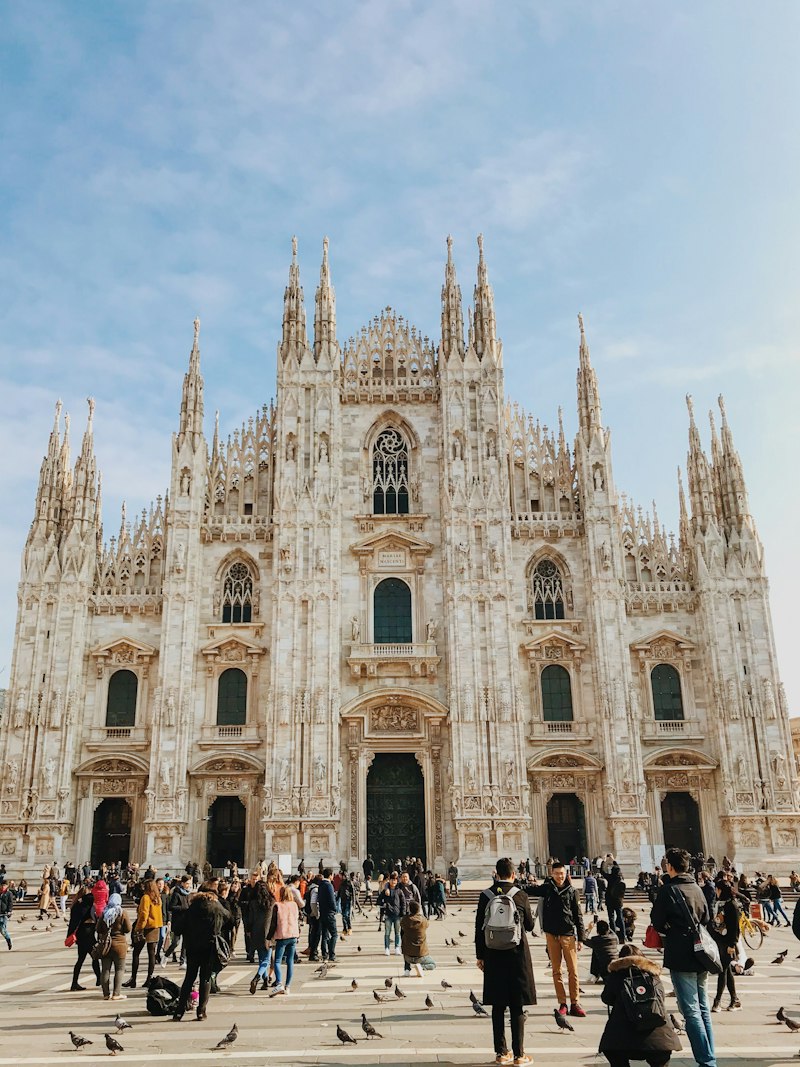
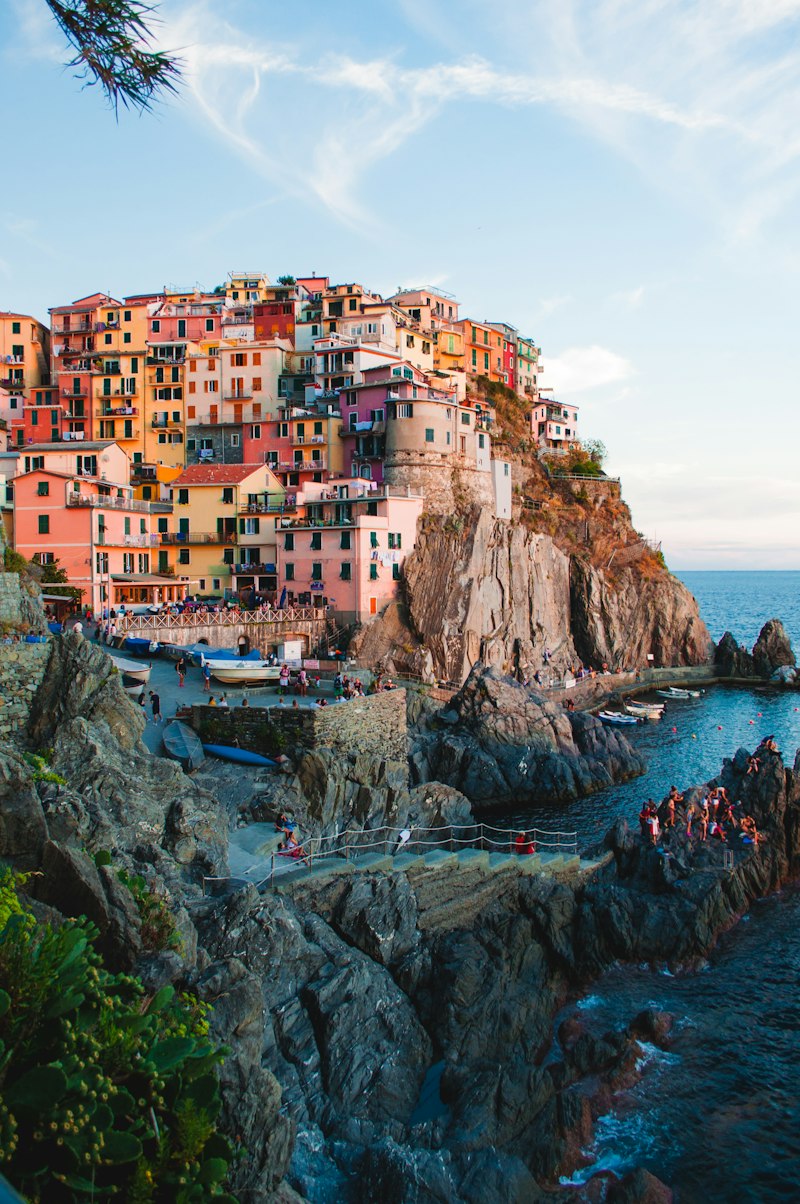
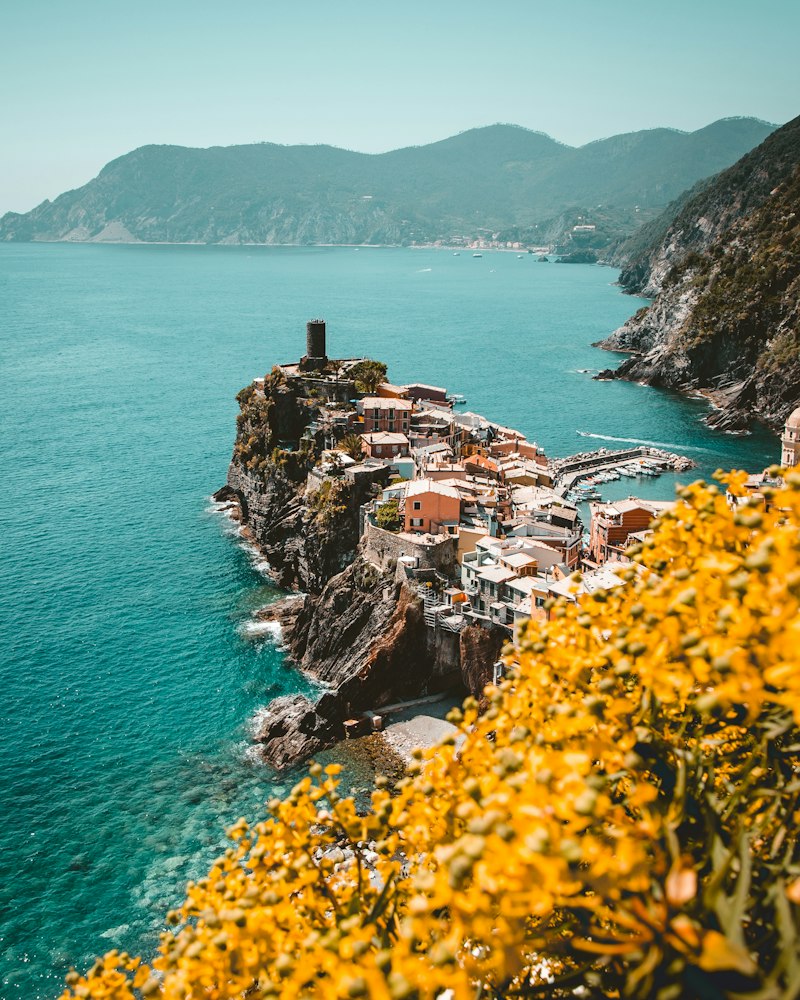
If you're considering Rome, you might also want to read about these nearby coliving destinations.

Europe
- Agaete
- Alun
- Amsterdam
- Antwerp
- Athens
- Barcelona
- Batumi
- Belgrade
- Berlin
- Birmingham
- Bologna
- Bordeaux
- Boulogne-Billancourt
- Bratislava
- Bristol
- Brno
- Brussels
- Bucharest
- Budapest
- Cluj-Napoca
- Cologne
- Copenhagen
- Cork
- Crete
- Dublin
- Dubrovnik
- Düsseldorf
- Edinburgh
- Faro
- Figueira Da Foz
- Florence
- Frankfurt
- Gdansk
- Geneva
- Girona
- Glasgow
- Gothenburg
- Granada
- Hamburg
- Helsinki
- Henningsvær
- Istanbul
- Krakow
- Lanzarote
- Las Palmas
- Laxe
- Leeds
- Leipzig
- Lille
- Lisbon
- Livorno
- Ljubljana
- London
- Lyon
- Madeira
- Madrid
- Malaga
- Malmö
- Manchester
- Marseille
- Matera
- Milan
- Montpellier
- Munich
- Naples
- Naquera
- Nice
- Odemira
- Oslo
- Palermo
- Palma de Mallorca
- Paris
- Peniche
- Perugia
- Ponta Do Sol
- Porto
- Prague
- Preston
- Riga
- Rome
- Rotterdam
- Santa Cruz De Tenerife
- Seville
- Sofia
- Split
- Stockholm
- Strasbourg
- São Martinho Das Amoreiras
- Tallinn
- Tbilisi
- Tenerife
- The Hague
- Thessaloniki
- To Coruña
- Toulouse
- Turin
- Utrecht
- Valencia
- Vannes
- Vienna
- Vilnius
- Warsaw
- Wroclaw
- Zagreb
- Zurich
Americas
- Atenas
- Atlanta
- Austin
- Bogota
- Boston
- Buenos Aires
- Cali
- Cartagena
- Charlotte
- Chicago
- Cuenca
- Cusco
- Dallas
- Denver
- Florianópolis
- Guadalajara
- Honolulu
- Indianapolis
- Lima
- Los Angeles
- Macanal
- Medellín
- Mexico City
- Miami
- Minneapolis
- Montevideo
- Montreal
- Nashville
- New York
- Oaxaca
- Ottawa
- Panama City
- Philadelphia
- Playa del Carmen
- Portland
- Pueblo Nuevo
- Puerto Vallarta
- Quito
- Raleigh
- Rio de Janeiro
- Salt Lake City
- San Diego
- San Francisco
- San José
- San Miguel de Allende
- Santa Marta
- Santiago
- Seattle
- São Paulo
- Toronto
- Tulum
- Vancouver
- Washington DC
Asia
- Ahmedabad
- Bali
- Bangalore
- Bangkok
- Busan
- Cebu
- Chandigarh
- Chennai
- Chiang Mai
- Coimbatore
- Colombo
- Da Nang
- Delhi
- Dharamshala
- Fukuoka
- Galle
- Goa
- Hambantota
- Hanoi
- Ho Chi Minh City
- Hoi An
- Hong Kong
- Hyderabad
- Indore
- Jaipur
- Jakarta
- Jeju
- Kathmandu
- Kochi
- Koh Phangan
- Koh Samui
- Kolkata
- Kuala Lumpur
- Kullu
- Kyoto
- Langkawi
- Lombok
- Luang Prabang
- Manila
- Mumbai
- Mysore
- Osaka
- Penang
- Phnom Penh
- Phuket
- Pokhara
- Pune
- Rayong
- Rishikesh
- Seoul
- Siargao
- Siem Reap
- Singapore
- Taipei
- Tokyo
- Udaipur
- Yogyakarta